Mason Farm Biological Reserve
Rating
Price
Free
Duration
2-3 hours
Best Ages
8-17 years
About
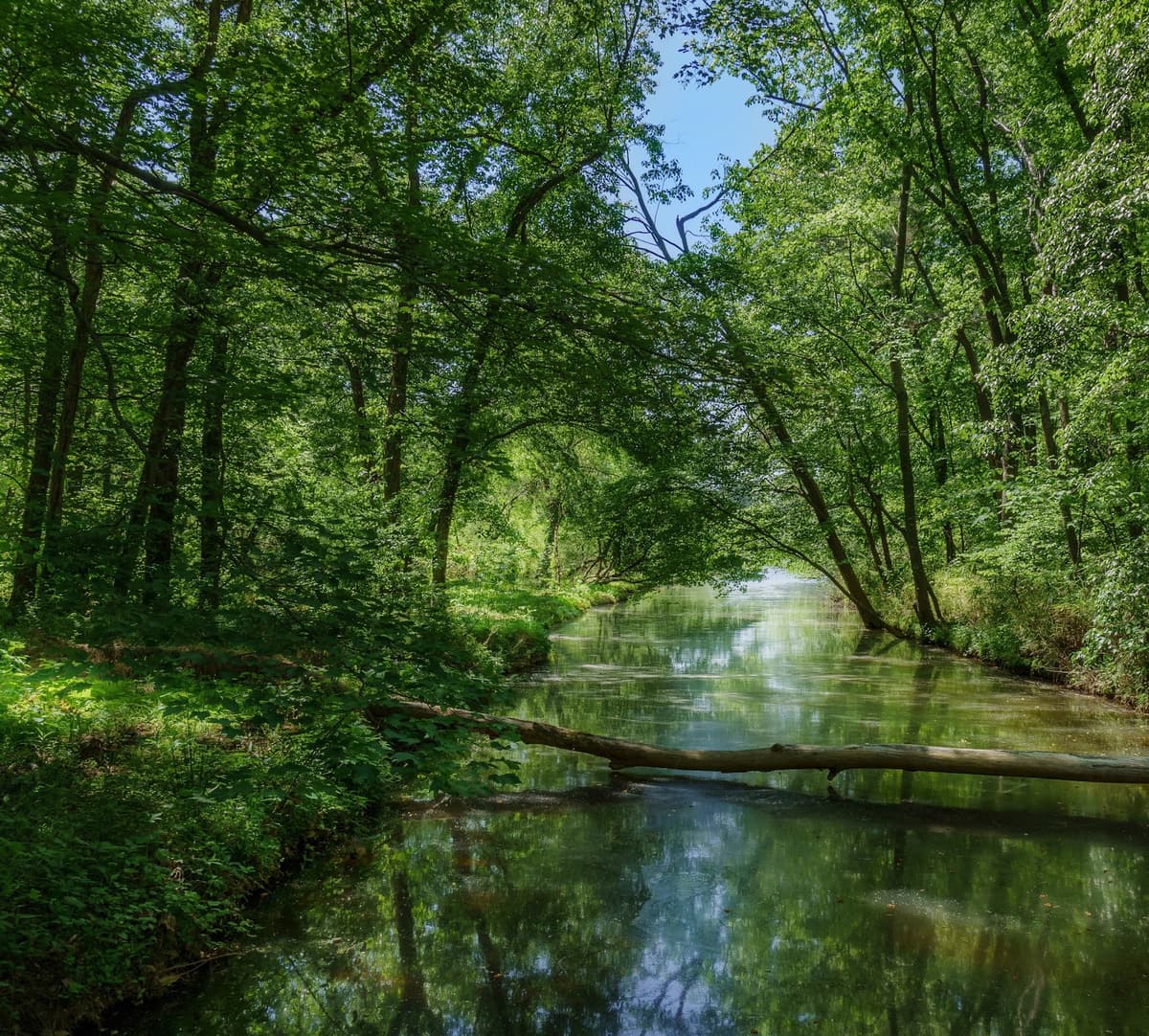
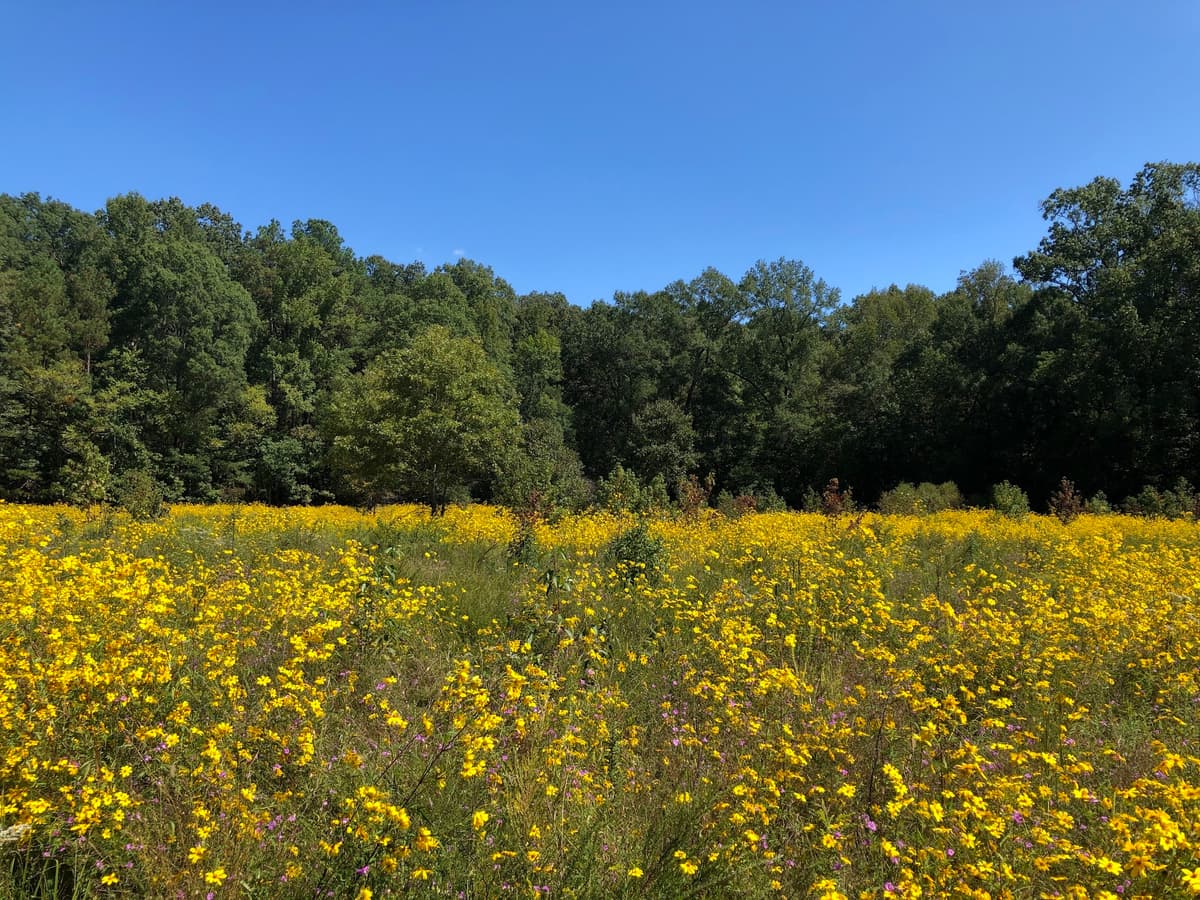
Mason Farm Biological Reserve is the outlier on any Triangle nature list, and it earns its place by being the opposite of a playground. This is a large research and teaching reserve managed by the North Carolina Botanical Garden at UNC, tucked south of Chapel Hill along Morgan Creek, and it exists to support scientific study rather than recreation. What that means for families is a quiet, unmanicured landscape of old farm roads, open fields, hedgerows, and bottomland hardwood forest that you will often have almost entirely to yourselves.
Start with access, because it is the thing that trips visitors up. Entry to Mason Farm is managed by the Botanical Garden rather than being an open-gate public park, and the approach road is gated. Read the current access requirements on ncbg.
unc. edu or call (919) 962-0522 before you drive out. This is a long trip to waste on a locked gate, and the rules exist to protect ongoing research.
Once you are in, treat the posted restrictions as firm: stay on the designated routes, leave plants and wildlife alone, and follow whatever the reserve currently specifies about pets, bikes, and group size.
The payoff is wildlife. The mix of habitats packed into one property makes Mason Farm one of the best birding spots in the region, and kids who have gotten interested in identification will rack up sightings here that a typical greenway cannot deliver. Hawks over the fields, woodpeckers in the bottomland, warblers moving through during migration, plus deer, turtles, frogs, and the occasional owl.
Bring binoculars and let a big kid run the bird app. That single piece of gear is the difference between a walk they tolerate and a hunt they lead.
Be honest about ages. This is not a toddler destination. There are no paved paths, no playground, no restrooms, no water fountains, and no benches spaced conveniently along the way.
Strollers do not work on these surfaces, and low sections can hold water or mud for days after rain. Kids around eight and up who can handle a two to three mile walk without a scheduled snack bar stop will do well; younger siblings will need to be carried, which gets old fast in summer heat. Ticks are a real consideration along grassy edges from spring through fall, so use repellent and do a check when you get back to the car.
Go early in spring or fall for the best combination of bird activity, tolerable temperatures, and fewer insects. Pair it with the North Carolina Botanical Garden itself, a few minutes away and also free, if you want to round out a Chapel Hill nature morning with something more structured. Then drive into town for lunch, because there is nothing to eat anywhere near the reserve.
Age Suitability
Parent Logistics
Stroller-Friendly
No
Nursing / Changing
Not Available
Kid Meals
N/A
Setting
Outdoor
Rainy Day
Not ideal
Plan Your Visit
Best Time to Visit
Early morning in spring or fall, when bird activity peaks and the heat and insects are manageable
Wait Times
No lines. Access is controlled by a permit and a gated entry road rather than by capacity, so the reserve is usually quiet
Nearby Food
Nothing on site and nothing adjacent. The Town Hall Grill is the closest sit-down restaurant, and Chapel Hill's Fordham Boulevard and downtown Franklin Street corridors are both within about 10 minutes with a wide range of family-friendly options. Save the picnic for a park after you leave the reserve.
Why Kids Love It
Mason Farm feels like the secret trail nobody else knows about. It is a genuine research reserve rather than a manicured park, so kids walking the old farm roads through fields and bottomland woods routinely spot deer, hawks, owls, turtles, and more bird species than they can name. Kids who like being trusted with a real map and a real mission thrive here.
Pro Tips from Parents
- Access is managed by the North Carolina Botanical Garden and is not simply open-gate walk-in. Read the access requirements on ncbg.unc.edu or call (919) 962 to 0522 first, because a wasted trip here is a long one.
- This is a research reserve, so the rules are stricter than a city park. Stay on marked routes, do not collect plants, and treat posted restrictions as absolute.
- Bring binoculars and a bird app. The variety of habitat, open field, hedgerow, and bottomland forest, makes this one of the better birding spots in the Triangle for kids who want a checklist.
- Trails are unpaved and can flood or stay soggy in low sections after rain, so check the forecast and wear waterproof boots after a wet week.
- There are no restrooms, no water, and no benches out on the trails. Use the bathroom before you drive over and plan the loop around what your kids can handle.
What to Bring
- Binoculars and a field guide or bird identification app
- Waterproof or sturdy hiking shoes
- Insect repellent and a tick check plan, since grassy edges hold ticks
- Plenty of water, because there is none on site
- A downloaded trail map, since cell signal in the bottomlands can be spotty
Cost Info
Free Admission
Estimated Cost (Family of 4)
Essentially $0 for the visit itself.
Access is managed through the North Carolina Botanical Garden rather than sold as admission, so the only real costs are gas and whatever you spend on food in Chapel Hill afterward.
Confirm the current access process on ncbg.
unc.
edu before you go.
Tips to Save
- The reserve costs nothing to walk, so the whole outing can be free if you pack a picnic and eat it after you leave, since food is not appropriate inside a research reserve.
- Combine the trip with the North Carolina Botanical Garden nearby, which is also free to enter, and you have a full free morning in Chapel Hill.
Hours & Contact
Have a Question?
Frequently Asked Questions
Tickets & Booking
Some links below are affiliate links. KidPaths may earn a commission at no extra cost to you.