Queen City Clay
Rating
Family of 4
Budget per-child class tuition or a party package plus a meal in Norwood, with free lot and street parking in the area.
Duration
1 to 2 hours for a single class or party session, longer for camp days and multi-week course sessions
Best Ages
6 to 17, since wheel throwing takes hand strength and patience that most kids do not have before about first grade. Confirm the minimum age for any specific class or party package with the studio.
About
Queen City Clay is a working ceramics studio on Highland Avenue in Norwood, and it is the answer for a Cincinnati parent whose kid wants to make something real with their hands. This is not a paint-a-premade-figurine shop. It is a full pottery facility with wheels, handbuilding space, and kilns, offering classes, seasonal camps, and birthday parties for kids alongside a serious program for adults.
The 4. 9 rating across well over a hundred reviews is not an accident; people who take pottery seriously use this place.
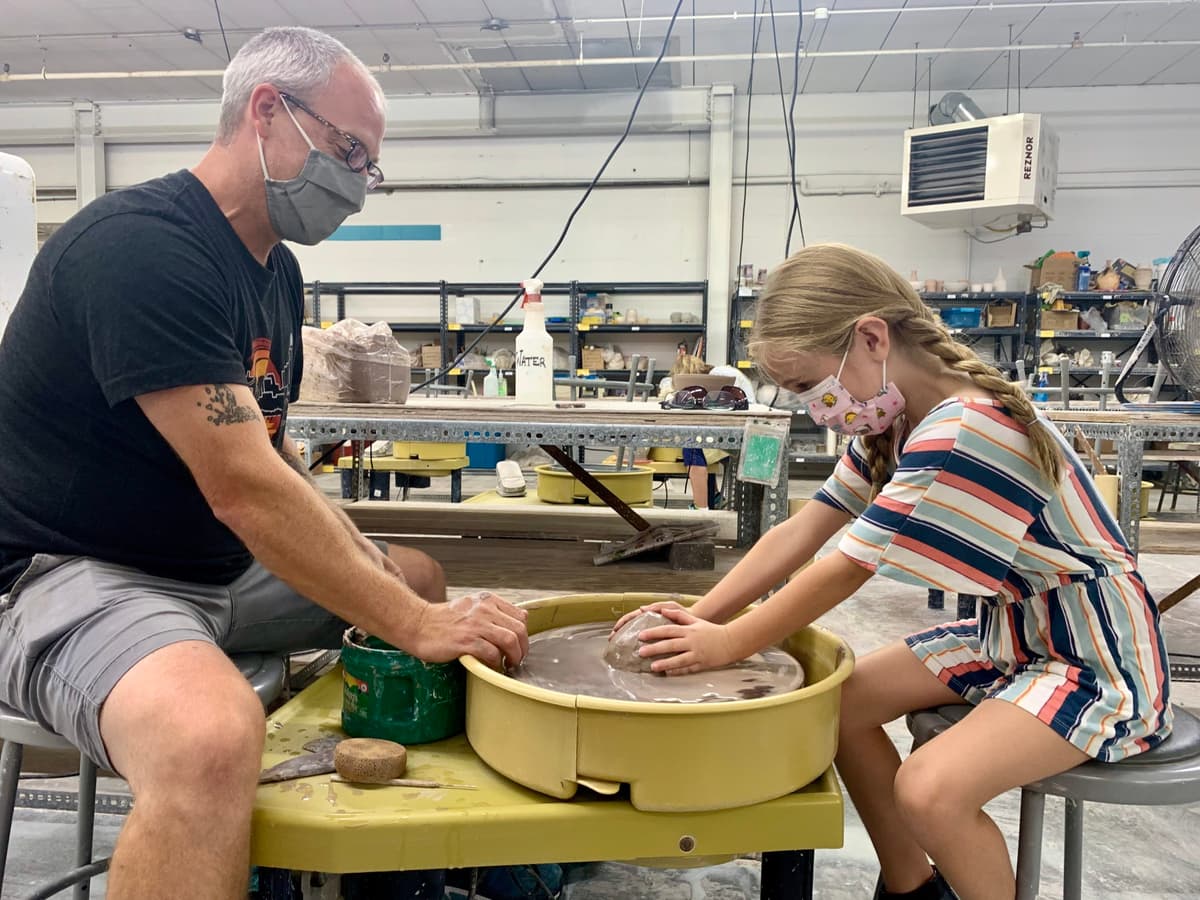
For families, the first decision is wheel versus handbuilding. Wheel throwing is the thing kids picture, and it is genuinely magical when the clay finally centers, but it takes hand strength, patience, and a tolerance for failing at it for a while. Studios generally set a minimum age for wheel classes around early elementary, so confirm the floor for the specific session you want.
Handbuilding, meaning pinch pots, coils, and slab work, is the better first experience for a younger or less patient child because they walk out having actually made a thing in one sitting.
The second thing to understand before you book is the timeline. Ceramics is slow. A piece has to dry, get bisque fired, get glazed, and get fired again, which means the bowl your seven year old made on Saturday is typically ready to collect weeks later.
Tell them that at the beginning of the class, not at the end, and put the pickup date in your phone. Half the disappointment parents report at any ceramics studio comes from not knowing this going in.
On cost, this is a paid, registration-based venue with no drop-in gallery to browse. Class tuition, camp weeks, and party packages are priced by the studio and depend on session length and on whether clay, glazing, and firing are included in the fee, which varies. Ask that question directly when you call (513) 871-2529, because it moves the real number more than the advertised price does.
Parking around the Norwood location is free, which keeps the trip simpler than a downtown arts outing.
Practically, dress everyone in clothes you have already written off, tie long hair back, cut fingernails short before wheel work, and wear closed-toe shoes. A studio floor is wet and busy, which is also why a full-size stroller is awkward here and why this listing is not a fit for babies and toddlers. When you are done, Rookwood Commons and Rookwood Pavilion are a few minutes away with a full spread of family restaurants, and 1000 Hands Playground gives you somewhere for clean hands to go afterward.
Age Suitability
Parent Logistics
Stroller-Friendly
Limited
Nursing / Changing
Unknown
Kid Meals
N/A
Setting
Indoor
Rainy Day
Great option!
Plan Your Visit
Best Time to Visit
Book a scheduled kids' class or a seasonal camp session rather than dropping in, and go on a weekday during school breaks when sessions are less full. Call (513) 871-2529 to confirm what is running.
Wait Times
No walk-up line, because this is a registration-based studio. Kids' classes, camp weeks, and holiday sessions fill early, so sign up as soon as the schedule posts.
Nearby Food
The Turf Club is the closest restaurant and a Norwood institution, though it reads more grown-up than kid-focused. The bigger practical answer is Rookwood Commons and Rookwood Pavilion a few minutes away, which stack a full range of family-friendly chain and casual restaurants in one place with easy parking. Norwood's Montgomery Road corridor adds quick casual and fast food options within a short drive. There is no food service at the studio.
Why Kids Love It
There is a moment on the wheel when the lump of clay stops fighting and goes smooth and round under a kid's hands, and it gets them every single time. Ceramics is one of the few art forms where children make an object that is real, that survives, and that they can drink out of or give to a grandparent, and that permanence lands very differently than a drawing that goes on the fridge. It is also legitimately messy in a controlled way, which is most of the appeal for anyone under twelve.
Pro Tips from Parents
- Confirm the minimum age for the specific class before you register. Wheel throwing takes hand strength and focus, so studios often set the floor around early elementary and steer younger kids to handbuilding instead.
- Handbuilding is the better first class for a young or impatient kid. Pinch pots, coils, and slab work produce a finished object in one session, while the wheel takes practice before anything looks like a bowl.
- Ask about the pickup timeline when you drop off. Finished pieces have to dry, get bisque fired, be glazed, and get fired again, so the thing your kid makes today is typically ready weeks later, and telling them that up front avoids a hard conversation at the door.
- Send them in clothes you have already given up on. Clay dust and glaze splatter do come out, but not reliably, and closed-toe shoes are the norm in a working studio.
- Book birthday parties and school break camps well ahead. Studio capacity is limited by the number of wheels and the kiln schedule, so popular sessions close early.
What to Bring
- Clothes that can be permanently ruined, plus closed-toe shoes
- Hair ties for anyone with long hair, since it will end up in the clay otherwise
- Short fingernails, which make wheel work noticeably easier for kids
- A water bottle, since studio work is warmer than kids expect
- A note in your calendar for the pickup date, because fired pieces come home weeks after the class
Cost Info
Estimated Cost (Family of 4)
Budget per-child class tuition or a party package plus a meal in Norwood, with free lot and street parking in the area.
Rates depend on the class length and whether clay, glazing, and firing are included, so check queencityclay.
com or call for current pricing before you plan.
Tips to Save
- Ask specifically what the class fee covers before you book, because at ceramics studios the clay, glaze, and kiln firing are sometimes bundled and sometimes billed separately, and that distinction changes the real cost more than the headline number does.
- If you have two kids, compare a single family or parent-and-child session against two individual registrations.
- Multi-week courses usually work out cheaper per hour than one-off sessions, so if your child likes the first class, the series is the better value than repeat drop-ins.
Hours & Contact
Have a Question?
Frequently Asked Questions
Tickets & Booking
Some links below are affiliate links. KidPaths may earn a commission at no extra cost to you.