Buenos Aires has more genuinely good free family activities than almost any other international city , 35 of the 144 things to do with kids here cost nothing at all. You can realistically spend three or four days with kids without buying a single admission ticket. Here's where to start.
Completely Free Activities in Buenos Aires
El Ateneo Grand Splendid , Free. A converted early 20th-century theater turned into one of the world's most spectacular bookstores , balconies still intact, frescoed ceilings, a café where the stage used to be. Kids are consistently awestruck by the building even before they notice it's a bookstore. Buy a coffee at the stage-café and stay a while , you're not expected to buy books.
Jardín Botánico Carlos Thays , Free. Winding paths, towering trees, and free-roaming cats that kids inevitably follow. Feels like a secret garden dropped inside the city. Pack a picnic and make a full morning of it.
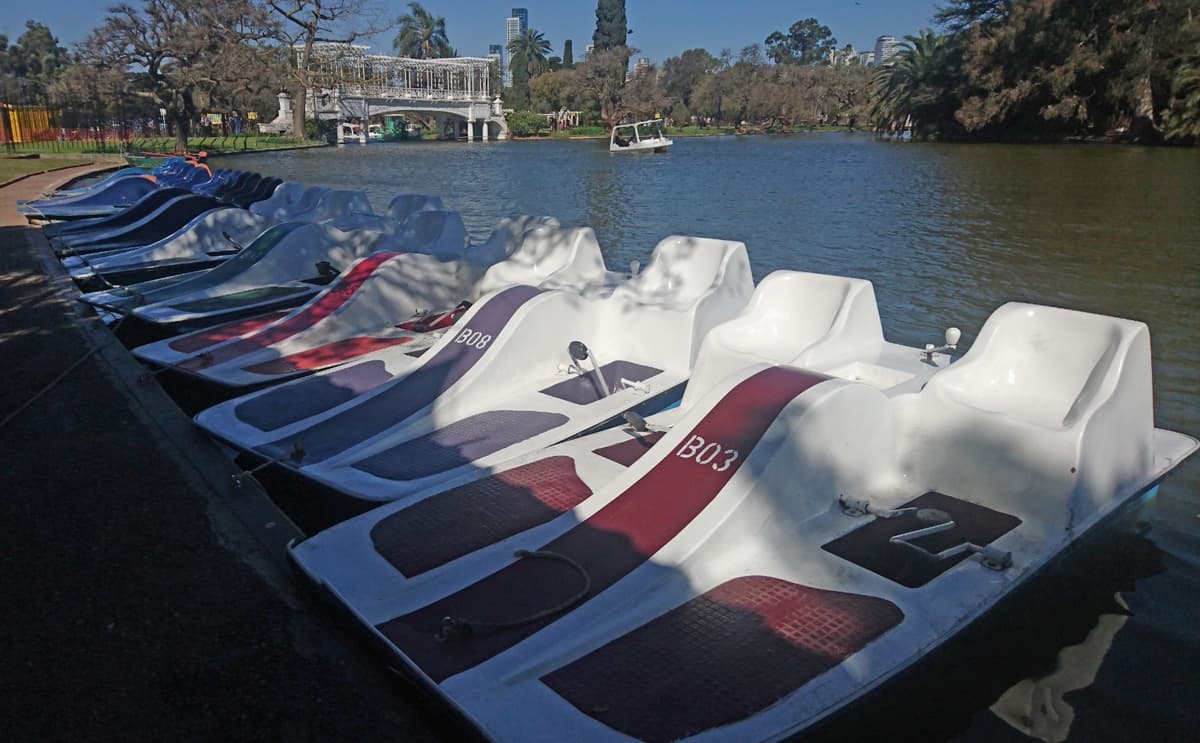
Tres de Febrero Park , Free. Buenos Aires' central park equivalent , lakes, playgrounds, wide lawns, and room to run. Rent bikes or paddle boats inside for a small fee if you want more structure. Free to enter and spend as long as you want.
El Rosedal Garden , Free. The rose garden maze, small bridges over a lake, and a genuinely beautiful setting inside Tres de Febrero Park. Visit late October through November for peak bloom season.
Costanera Sur , Free. A wildlife reserve in the heart of Buenos Aires with wild birds, walking trails, and almost no tourists. Bring your own food , there are no vendors inside, but it's the kind of place that makes you forget you're in a city.
Plaza de Mayo , Free. The presidential guard marching outside the Casa Rosada, hundreds of pigeons, and a central plaza that's been the heartbeat of Argentine history for centuries. Combine with a walk to the Cabildo next door.
Camino de la Historieta , Free. A self-guided comic strip walk along Puerto Madero with life-size bronze statues of beloved Argentine cartoon characters , Mafalda, Clemente, and others. Combine with the Puerto Madero waterfront for a full free afternoon.
Parque Olímpico de la Juventud , Free. An Olympic-themed park with sports facilities and wide open space. Good for burning energy without a plan.
Jardín de las Esculturas , Free. An open-air sculpture garden inside Tres de Febrero Park , contemporary Argentine art in a setting where kids can run between the pieces without getting shushed.
Calistenia Park , Free. Outdoor fitness equipment and bodyweight training stations. Older kids and teens love feeling like they're training in a real facility , for free.
Plaza de juegos Nutria Gigante , Free. A neighborhood playground anchored by a giant capybara (nutria) sculpture that kids love to climb. Pack snacks and sunscreen.
Matías - Paseo de la Historieta , Free. Another stop on Buenos Aires' comic strip walking route , bronze characters along the waterfront that make for great photo moments with kids.
Parque Mujeres Argentinas , Free. A beautiful riverside park near Puerto Madero with open lawns and views of the water. Best combined with a longer Puerto Madero walk.
Galería de Arte Palermo H , Free. Contemporary Argentine art in a Palermo gallery setting. Art-curious teens and tweens will find it genuinely interesting.
Las Meninas Galería , Free. A smaller, intimate gallery with contemporary Argentine work. Worth a quick stop when walking through the neighborhood.
Under USD 20 Per Person , The Sweet Spot
Calesita , USD 5-10 total. Classic Argentine carousels that have been delighting young children for generations. Cheap, joyful, and a cultural experience , carousels are a genuine institution here.
Jardín Japonés , USD 15-25. Feeding enormous, brilliantly colored koi from the bridges is one of those activities that lands better than expected. Kids under a certain age enter free , check the current policy. Koi feeding is free once inside.
Ecoparque ex Zoo de Palermo , USD 15-30. The former Buenos Aires zoo, now run as an ecological park. Buenos Aires residents get a discount; buy tickets online to skip the entrance queue.
Alquiler de botes Los Lagos de Palermo , USD 15-30. Paddle boats and rowboats on Palermo's scenic lakes. An hour is plenty , no need to pay for more.
Piletas Namuncurá , USD 15-30. Municipal swimming pools , a more affordable alternative to commercial water parks for a summer swimming day.
Participatory Science Museum , USD 20-35. Hands-on science exhibits where kids operate and interact with everything. Weekdays are less crowded and sometimes cheaper.
Art Kids (Arte + Cocina) , USD 20-50. Painting, sculpting, and cooking combined , messy, creative fun that feels like play rather than a class. Multi-session packages beat drop-in rates.
Museo de la Imaginación y el Juego (MIJU) , USD 20-35. A museum built around play and imagination where there are no wrong answers. Check for family ticket discounts and weekday pricing.
Worth Paying For (Best Value Paid Attractions)
Temaikèn , USD 40-60. Giraffes, elephants, reptiles, and a genuine petting experience all in one sprawling park. One of the best zoo and nature park experiences in South America for kids. Book online for family combo discounts.
Gravity Park , USD 40-80. Buenos Aires' premier trampoline and adventure park. Older kids and teens love it , physically demanding and genuinely exciting. Book session packages in advance.
Biking Buenos Aires , USD 50-80. A guided bike tour through the city's best neighborhoods. Seeing Buenos Aires this way is completely different from walking , kids feel like they're on an adventure. Group rates available.
Aventura Sudáfrica , USD 50-80. Outdoor rope courses and climbing challenges in a natural setting. A good physical and mental challenge for school-age kids. Book online in advance.
Estancia La Luisa , USD 80-150. A full day at a real Argentine estancia , horses, gauchos, open fields, and traditional asado. Day packages including lunch and activities represent solid value. Ask about family pricing.
Ciudad Cultural Konex , USD 20-60. Live drumming, music, street food, and raw cultural energy. La Bomba de Tiempo on Monday evenings is one of the best-value live music experiences in Buenos Aires , and kids go home talking about the drumming.
Money-Saving Strategies for Buenos Aires Families
- Stack your free days. El Ateneo, the Jardín Botánico, Costanera Sur, the parks, and the waterfront can fill two full days without spending anything on admission.
- Eat lunch instead of dinner at restaurants. Buenos Aires' menu del día system means a full lunch (main, side, sometimes a drink) at places like Pippo Paraná costs far less than the same table at dinner.
- Buy tickets online in advance for Temaikèn, Museo de los Niños Abasto, and Galería del Asombro , typically cheaper and skips the queue.
- Go on weekdays. Nearly every paid attraction in Buenos Aires is cheaper and less crowded Monday-Friday.
- Session packages beat drop-in rates at arts and sports facilities , even for a one-week visit, ask about multi-session pricing.
- Use public parks as the default. When kids need to burn energy between activities, Buenos Aires' neighborhood playgrounds and parks are genuinely good and completely free.
- Pack a picnic for park days. Food vendors inside parks charge a premium; bringing your own keeps the whole family fed without the markup.
Seasonal Free Events to Watch For
Buenos Aires runs extensive free programming through the city government , outdoor concerts in parks, free museum days on the first Wednesday of certain months, and summer beach events at Buenos Aires Playa (the artificial beach on the Río de la Plata, free entry). La Bomba de Tiempo drumming at Ciudad Cultural Konex on Monday evenings is technically ticketed but very affordable , and the energy is unlike anything else in the city. Tacheles Polo de Cultura Emergente also runs free events regularly , check their social media during your stay.
Bottom Line
Buenos Aires is one of the most family-budget-friendly international destinations available. The free options , El Ateneo, the parks, the waterfront, the plazas , are genuinely world-class, not just "free for a reason" fillers. Build your trip around two or three free days and supplement with one or two paid experiences (Temaikèn, a bike tour, an estancia) and you'll leave having done everything worth doing at a fraction of what other international cities would cost.